
The Struggle is Real... Important
It's hard to watch our children struggle. We've been taking care of them since they were born, when they couldn't communicate or navigate on their own. However, allowing them to face difficult situations is essential for their learning.
Do Not Set Their Limits
Don't assume that they best your child can do is what you've seen them do before. Imagine it's time to put shoes on to leave the house - your child goes and grabs their shoes and puts them on their feet. You've never seen them fasten the shoes themselves, so you swoop in to fasten them on and head out the door. You're thinking not only did you get out of the house on time, with no meltdowns, but your child helped and acted independently by slipping on their own shoes - fantastic.
But what really happened? You removed the struggle because you thought your child couldn't fasten their shoes themselves - or would maybe be frustrated when they try and fail. You've also instilled in it their mind - "I can't Velcro my shoes myself" "That's a part that someone else does for me."
And is that true? Maybe it is, maybe they really can't do it themselves yet... but maybe they can.
Go Back to the Beginning
The very first huge leap of independence your child takes is by learning how to walk. Or should I say "figuring out" how to walk. They practice, they try, they fail, they fall, they get up, try again, until one day... they succeed. They take those first steps a couple times until in the blink of an eye, they are off!
And the whole time, what are you doing? Encouraging them! You give them tons of opportunity to try, lots of encouragement and praise, comfort when they fall, attention as they try.
If you keep up that approach and encourage your child to just do one more step than what you think they're capable of - one more level of independence past what they've done before, then I'd bet on the fact that they will surprise you.
If We Want Kids to Do Hard Things, We Have to Let Them Do Hard Things
If we want our children to know how to solve problems on their own, they need time and experiences to practice that skill. Problem-solving is a skill. Flexibility is a skill. Persistence is a skill.
Everyone will face challenges in their life - at school, with friends, during extracurriculars, and long after graduating. Struggle is inevitable. But handling those difficult times takes practice.
Children are capable of handling challenges and conflict...if we let them. Playing games on the playground means social conflict and negotiation. Figuring out how to get dressed takes patience and problem-solving. Coming up with a new way to fix something that's broken when the first attempt didn't work teaches flexibility.
Any time a child struggles, it is an opportunity for them to learn how to deal with the stress, frustration, and various approaches needed to face challenges.
Removing Obstacles Rewires the Brain
We're not talking about how removing moments of struggle will make the learning process slower. The learning process is happening regardless of what we as parents, teachers, coaches, caregivers do. No matter what, the child is learning.
The difference is what they are learning.
As I alluded to previously, if we remove the struggle, we inadvertently teach the child that they are not capable - that they need an adult or another person to solve that problem or complete the process for them.
At the very least, if we step in shortly after the struggle, we have sent the message to the child's brain that we support them in trying to learn new things, we know they are capable, but maybe haven't mastered a particular skill YET.
But when we remove the experience entirely, we've rewired the brain to believe the child NEEDS assistance. Ask a child who says "I can't buckle my shoes" why and they most often will respond "I just can't." No reason, no explanation, no "yet" - just the belief that they can't do it because someone else does it for them.
Now take that same child, and try to convince them that they can face obstacles, solve problems, come out the other side of a struggle and once again, you will be doing the hard work of rewiring their brain to believe they can, to make an attempt, to persist when the task is difficult.
By altering the brain's wiring, we create unnecessary challenges for both ourselves and our children. Instead, allowing your child to face their struggles head on with confidence, knowing they can fail and try again, sets the foundation for a lifetime of handling conflict and challenges rather than crumbling at obstacles.
And I'd argue that childhood is the best place to learn those vital skills. There is arguably a lot more forgiveness and understanding given to a young child in those moments than a grade-schooler, teenager, or young adult.
Embrace the Struggle
Yes, it can be heartbreaking to watch your child struggle. It can seem easy to step in a help solve conflicts for them or with them. It can feel inconvenient to dedicate the time and effort to support your child from a distance while they struggle with something.
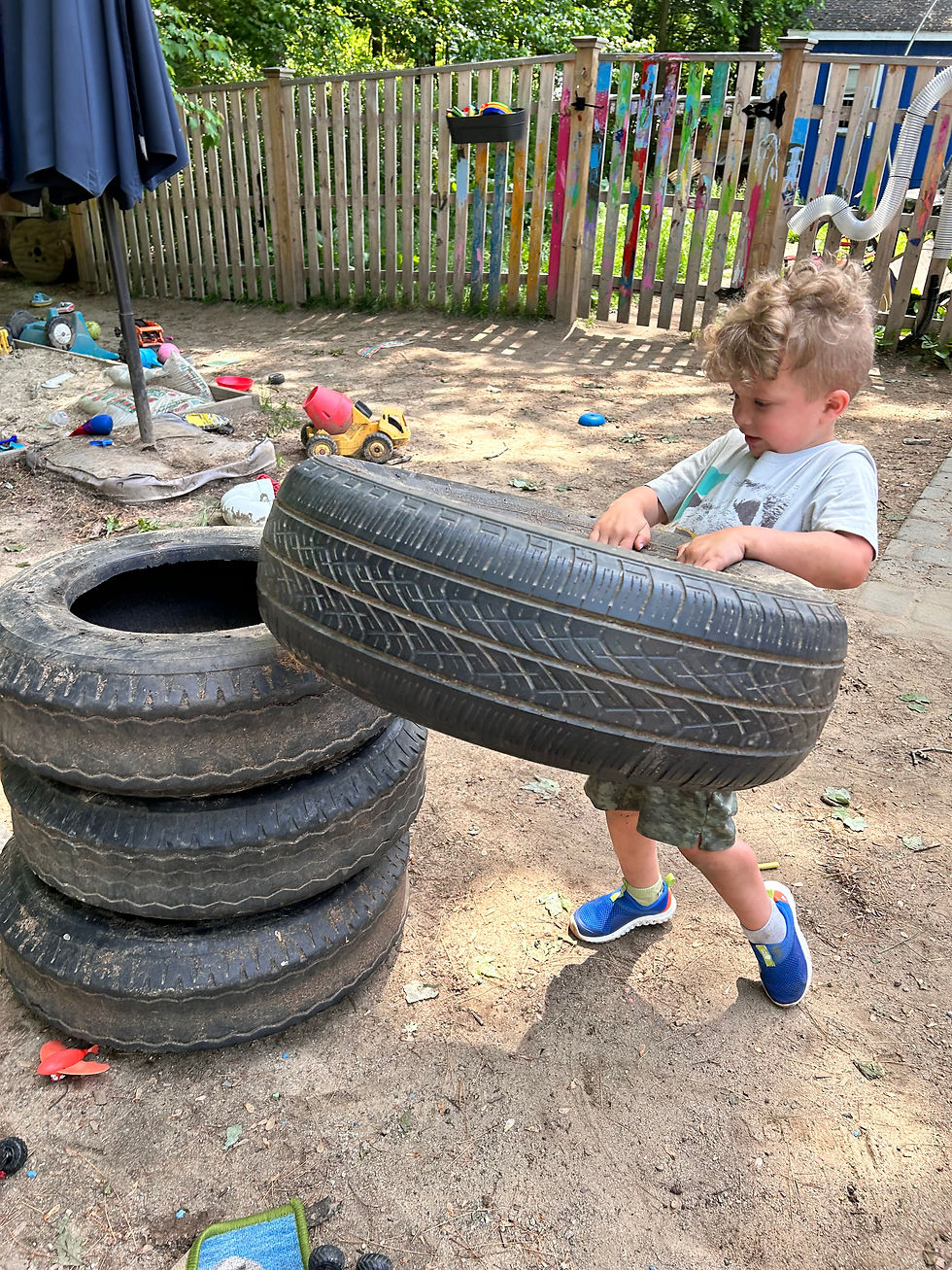
In those moments, focus on the learning happening. The deep breath as they try for a third time. The new approach they come up with when what they've tried isn't working. The solution they pose to their friends to end an argument. The sense of pride that beams across their face when they finally succeed. Or even the acceptance that it's just not working or not happening right now, and that's ok.
Those are the moments that you will see it was worth the struggle. For them, and for you.


Comments